
WHEN AL STEWART LET THE CAT OUT OF THE BAG
Al Stewart – Year Of The Cat (1976)
Song Story
According to Vietnamese astrology — which, unlike the Chinese zodiac, replaces the rabbit with the cat — the year of the cat comes around every twelve years. And in 1975, when Al Stewart stepped into the studio with legendary producer Alan Parsons to record a new album, that’s exactly where the calendar had landed.
Born in Scotland and raised in Bournemouth, Stewart was by then a seasoned singer-songwriter with a long list of near-misses but no real hits. CBS had already given him two three-album contracts and decided not to renew again. Left to his own devices, he signed with RCA, and the year of the cat would prove to be a lucky one. His first record for the new label took its title straight from the zodiac, and its title track would become his first major success, especially in the U.S. (it peaked at No. 31 in the UK).
Since then, ‘Year Of The Cat’ has echoed across countless FM airwaves: a smooth, cinematic song about a love affair set against an exotic backdrop. The Bogart movie reference in the opening verse suggests Casablanca, Morocco, but the truth behind the song’s lyrics is far less romantic.
“I got my first American tour opening for Linda Ronstadt – Stewart recalled to Songwriter Universe – And we hired a piano player called Peter Wood. Peter kept playing this piano riff over and over again at every single sound check. I’d heard it half a dozen times when it occurred to me that it could be a song. I could take the chord order and the riff and write some lyrics to it, which is exactly what I did”.
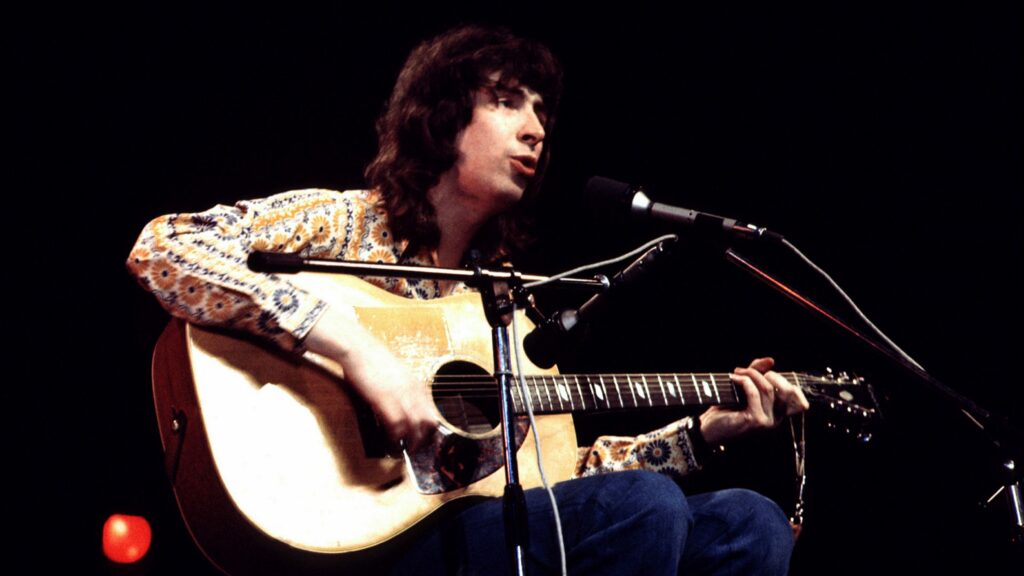
The first draft of the song wasn’t about mysterious women or faraway places at all. It was called ‘Foot Of The Stage’, inspired by a performance Stewart had seen back in 1966 by British comedian Tony Hancock. He’s quoted recalling it in the book ‘1000 Songs That Rock Your World’, by Dave Thompson: “He came on stage and he said ‘I don’t want to be here. I’m just totally pissed off with my life. I’m a complete loser, this is stupid. I don’t know why I don’t just end it all right here’. And they all laughed, because it was the character he played… this sort of down-and-out character. And I looked at him and I thought, Oh my god, he means it. This is for real”.
Stewart’s instinct was right. Two years later, Hancock took his own life with a mix of vodka and barbiturates. That tragedy inspired Stewart to write a sorrowful refrain: “Your tears fall down like rain at the foot of the stage”. However, the new record label wanted something a little more marketable: “They said ‘No one in America has ever heard of Tony Hancock. We really don’t think this is commercial, can you think of something else?'”, he explained to The Strange Brew. “My first thought was to write it about Princess Anne just to annoy everyone”.
Indeed, he wrote that “royal” version and titled it ‘Horse Of The Year’, but the record company flatly rejected it as well: “I thought [that rendition] was hilarious but no one else did”, he elaborated to the Pittsburgh Tribune-Review. Back to the drawing board, the song kept going through changes: “It had at least four different sets of lyrics”.
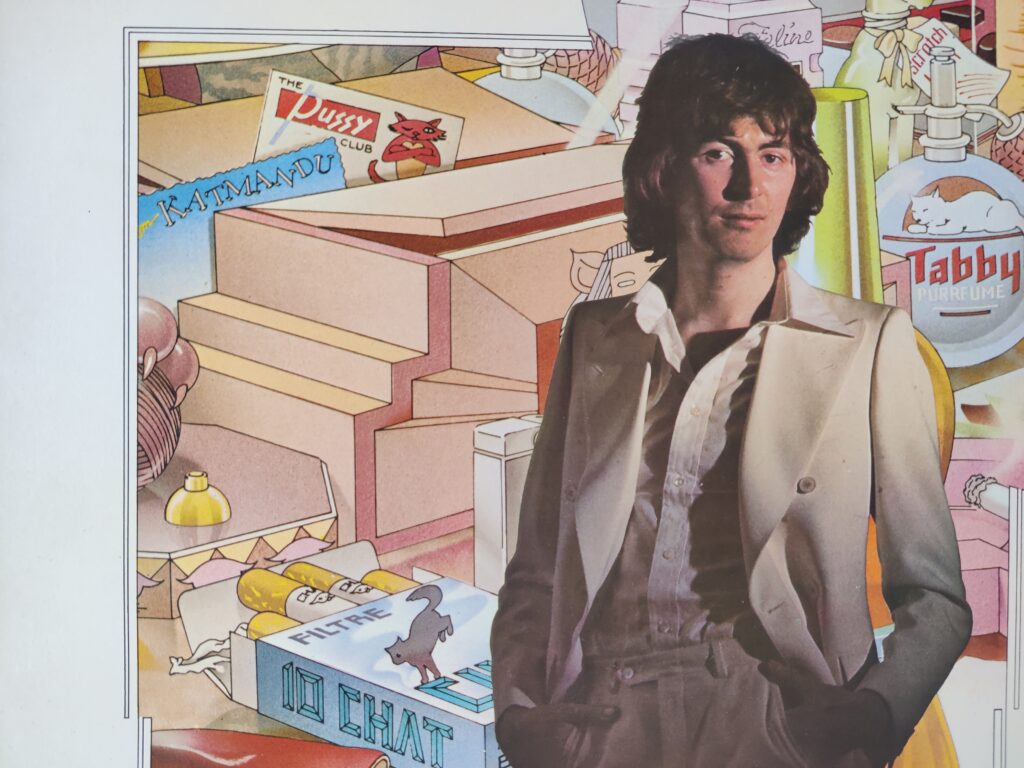
Eventually, a glance at the Vietnamese horoscope gave him the spark he needed: “I had a girlfriend who had a book on Vietnamese astrology – he recalled – and it was open to a chapter called ‘Year of the Cat’ and I said, ‘that sounds like a song title, let’s see where it goes’”. Indeed, the Year of the Cat had nothing whatsoever to do with two lovers lost in the spell of Casablanca, but it sounded right. And that, in the hands of a storyteller like Al Stewart, was enough: “It’s about a guy on a coach party to North Africa, on one of these buses with a one-day ticket”, he explained in a quote from the booklet of a reissue of the parent album. “He stops in a town, Casablanca or whatever, and he finds this girl, who must be a California girl because she wanders about and talks about years of cats and things. So he spends the night at her place and when he wakes up, the bus is gone and he’s stranded. If you miss the bus, that’s it and so he just figures, “Well, this isn’t really the way I’d planned my life, but I might as well stick around and make the best of it”.
Like many other legendary songs, putting it on tape for posterity was no easy task. Actually, the whole album was quite cumbersome to record: “We got the basic track down in August of 1975, and we hoped to have it finished by Christmas [… but] I didn’t have all the lyrics together and secondly I didn’t like some of the songs, so we thought we would leave it a while and give it more thought. We ditched two tracks completely, I started writing some others […] Then I developed laryngitis and lost my voice for six weeks […] it wasn’t until the following July, almost a year after we’d started, that I was ready again”.
The iconic saxophone solo during the instrumental coda of the song came about at the insistence of Parsons. Stewart was horrified at the request: “I thought… That’s the worst idea I’d ever heard. I said, ‘Alan, there aren’t any saxophones in folk rock. Folk rock is about guitars. Sax is a jazz instrument’. And he said, ‘Well, let’s try it’. And I said, ‘Fine, go ahead’, and I was just humoring him. And in comes Phil Kenzie, who was a session sax player. Phil didn’t want to come to the session because he was watching a movie. He only lived around the corner from Abbey Road”.
In Kenzie’s memories, also quoted in the reissue liner notes, it was quite a strange encounter: “I arrived with my tenor sax and Alan and Al were there in the darkened studio. There was this beautiful track with violins, but no vocals yet. Al was behind the newspaper in the corner, kind of hiding. I said ‘hi’, the newspaper came down and he said: ‘Oh, how do you do?’. I looked around the newspaper and said ‘fine’. I put the tenor down and Alan said, ‘You know something, this would sound really good on alto’. I replied, ‘You’re really lucky, because I just happen to have one with me’. That’s how it happened. I did that solo in twenty minutes in two passes”. “And then – resumes a yet unconvinced Stewart – [he] ran off to watch the end of the movie and thought no more of it. Frankly, I didn’t like it either. It sounded like a wounded cow. But Alan said, ‘Well, sleep on it’. So I slept on it, and in the morning it didn’t sound as bad as I remembered. And Alan was adamant that it was an integral part of the song. So I said, ‘Okay, fine'”. And the rest, as they say, is history.
In a 2012 interview with a Canadian radio station, Stewart vividly put it: “I think of songs as cinema, really. It’s aural cinema. I want to show you a movie when I’m playing a song”.
In this case, he absolutely did.