A SPARK IN THE DARK AGE OF AOR
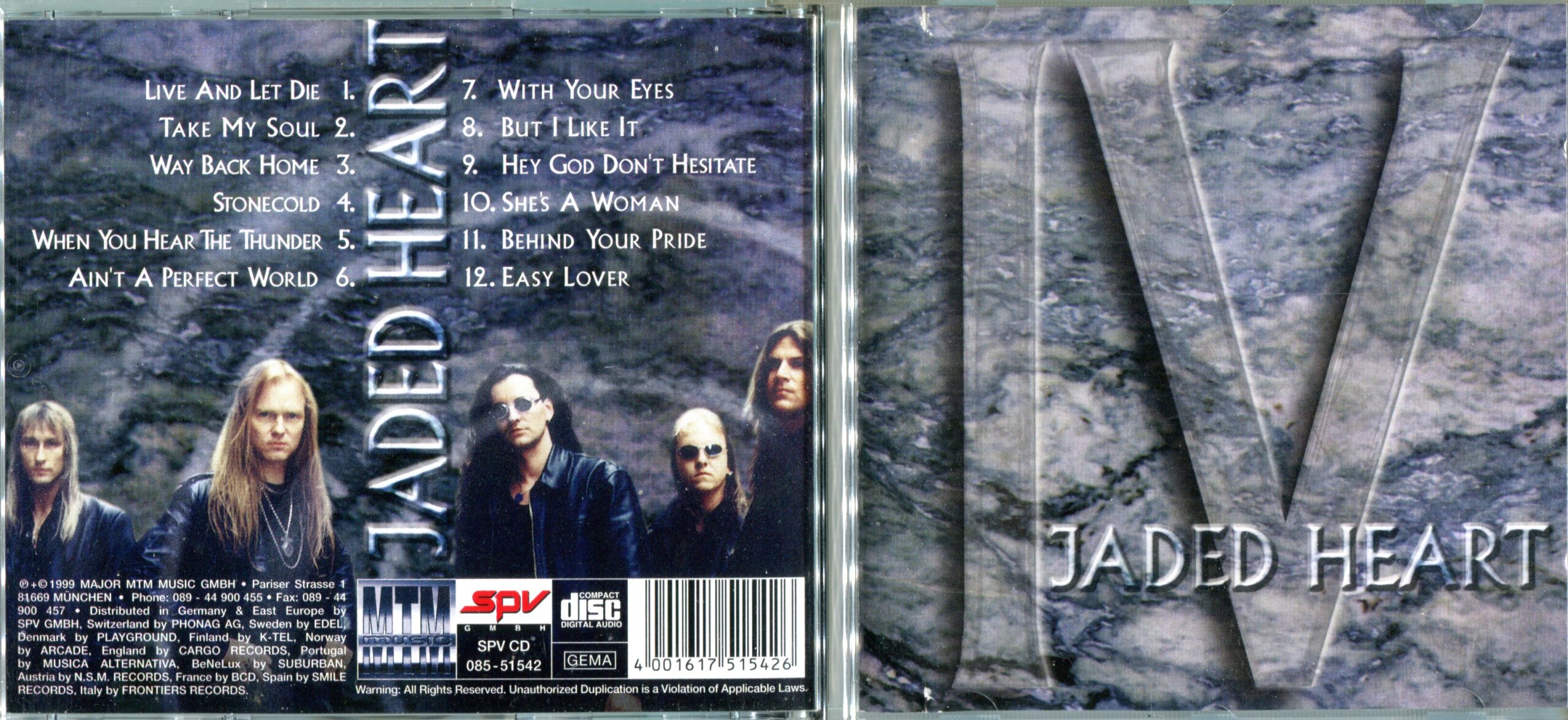
Jaded Heart – IV (1999)
Unvinyl #19
“Five or six years ago, this album would have featured Survivor and Night Ranger, today it serves up Urge Overkill, Seed, Dinosaur Jr, and Aimee Mann. (…) This is what commercial music sounds like now. Who’s going to break the bad news to AOR?”
That line, translated from a review of the ‘Melrose Place’ soundtrack printed in an Italian magazine in late 1994, says everything about the state of AOR and melodic rock in those unlucky nineties, at least for anyone who cared about the genre. The reasons run deeper than the usual “blame it on Kurt Cobain” cliché, but digging into them isn’t the point here. What matters are the consequences.
Dropped from major label catalogues and wiped from MTV, which used to air one glossy video after another, AOR suddenly found itself pushed into a corner it had never known. In Europe, the coverage in the music press shrank to very small features; in the United States, it disappeared altogether. The mainstream and the casual listeners walked away, and the genre slipped into a kind of exile. The same fate hit several other branches of the hard & heavy music that had defined the eighties.
Yet a stubborn core of fans refused to let go. They kept the flame alive through fanzines, mail-order catalogues, and tape trading, the latter becoming essential simply to hear new releases. Many of those albums were coming out on tiny labels with shaky distribution or were available only as pricey Japanese imports, as melodic rock still held a respectable market share in Japan. Glam, hard rock, and certain strands of classic metal survived there as well.
Signs of life eventually appeared. A wave of independent labels began to surface, ready to give a home to veterans dropped by the majors and to take risks on younger bands in an attempt at genuine renewal. Most of this activity was happening in Europe: Now & Then and Escape in the UK; Empire and Megarock in Sweden; Germany was on the frontline with MTM (co-founded by the unlikely figure of Thomas Hässler, once a midfielder for Juventus and Roma) and Long Island, which even set up a Toronto office led by Carl Dixon of Coney Hatch. Italy had Frontiers, which eventually established itself as one of the most important rock labels worldwide.
This was the landscape that German melodic hard rock band Jaded Heart had to deal with when trying to make music in those days. Their singer at the time, Michael Bormann, didn’t sound discouraged in the least: “You have to taste a bitter tear before you can appreciate a smile. We’ll never let rock and roll die!”, he told me in an interview back then. And he had every reason to sound that upbeat. By 1999 things were finally turning around. After three low-budget releases recorded in his 16-track home studio and then licensed through small distributors, Jaded Heart finally had a proper label behind them for their aptly titled album ‘IV’. MTM believed in the group enough to fly them to Colorado, where Bobby Barth of cult heroes Axe took on producer duties.
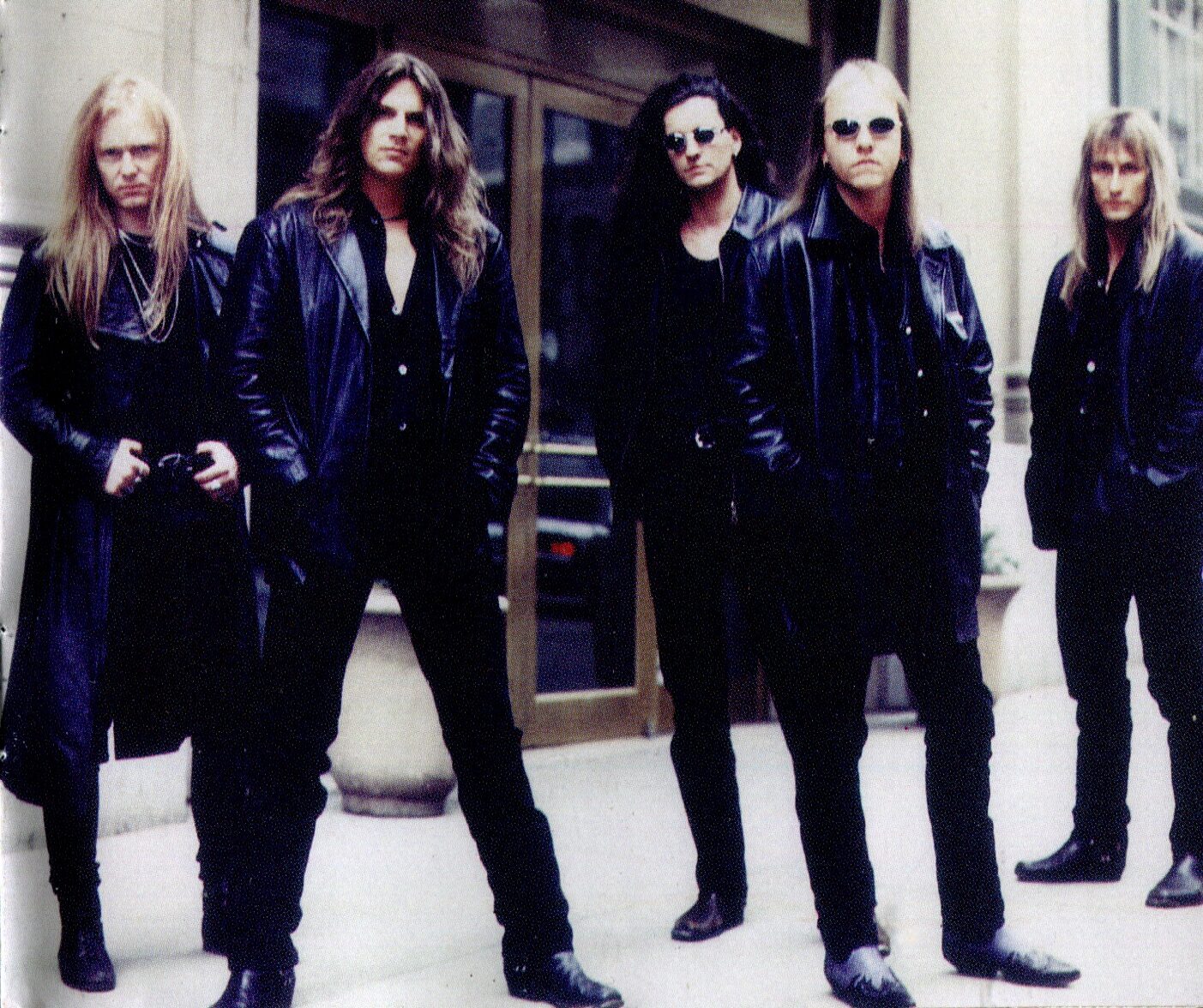
Barth’s expertise was put to work on some impressive material, because Bormann isn’t only an outstanding singer, he’s also a songwriter who knows how to keep things engaging. Whether it’s a mid-tempo track about the horrors of war like the opener ‘Live And Let Die’, an acoustic love song with a hint of Scorpions in ‘Way Back Home’, something more AOR such as ‘With Your Eyes’, which recalls ‘Tough It Out’-era FM, or ‘Ain’t A Perfect World’, a song that tried to fill the gap left in fans’ hearts during Europe’s hiatus, he always pulls it off brilliantly. And if that weren’t enough, he even throws in a few curveballs, like the long, gospel-tinged ballad ‘She’s A Woman’, where he seems to tap into his inner George Michael. Equally unexpected is the cover of Phil Collins and Philip Bailey’s ‘Easy Lover’, reworked with enough guitars to turn it into a bouncing hard rock tune. “Ever since I first heard this track – Bormann said – I’ve always thought it would make a great rock song. I think I was right!”. And so do we.
Despite all the strong hooks on offer, ‘IV’ still carries one of the typical flaws of many albums from the cd era: its length. At 66 minutes, it feels like one or two songs could have been trimmed. ‘Hey God Don’t Hesitate’, for instance, leans on a riff that’s fairly close to ‘Live And Let Die’ without sharing the same spark. Even so, this remains a first-rate rock record well worth rediscovering. It also marked the peak for the band, if you ask me. Over the following years, while remaining fairly productive, Jaded Heart went through several line-up changes and shifted toward a more metal-leaning sound. They’re still nominally active, although their latest album dates back to 2016. Bormann left in 2004 and now fronts his own project with a name that nods to his past: Michael Bormann’s Jaded Hard.
Chances of vinylization: Close to none. MTM went out of business many years ago and there doesn’t seem to be much demand for vinyl reissues of the Jaded Heart back catalogue anyway. On top of that, the 66-minute running time would call for a two LPs release, which only complicates things further. Look for the CD.
🟥 Unvinyl is a series of articles about great music not available on vinyl (at the time of writing). A full index can be found here.